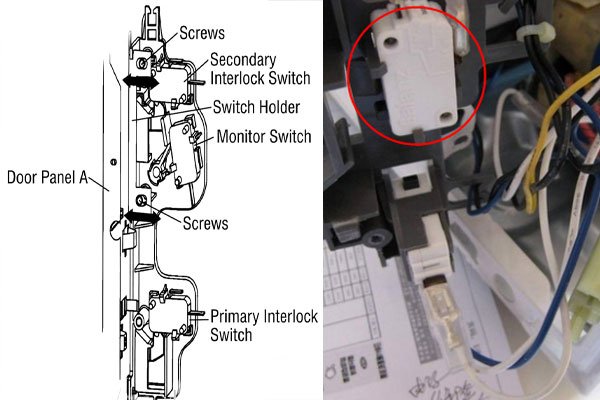
In a coffee-machine lid or brewing-unit mechanism, a micro switch can turn a defined mechanical position into an electrical input for the controller. The useful design question is where the mechanism must be when that input changes, and how that condition will be verified in the assembled appliance.

Follow the lid-to-controller signal path
- The lid, latch or linkage moves toward the intended operating position.
- A striker, cam or lever acts on the switch actuator.
- The contact state changes at the operating position and returns at the release position.
- The controller interprets the input together with the other conditions required by the machine.
Draw the actual striker path and identify the final mechanically valid lid or latch position. Confirm that partial closure, a misplaced container or normal mechanism play cannot produce an unintended valid input. The switch provides a contact-state signal; the appliance's mechanical design and control logic establish the complete operating sequence.
Match travel, contacts and environment
| Input | Selection question |
|---|---|
| Movement | What actuator direction, operating position, release position and available overtravel fit the mechanism? |
| Electrical input | Is the switch connected to a low-current controller input or a higher-load circuit? What contact and minimum-load requirements apply? |
| Connection | Do PCB terminals or lead wires fit the assembly and service method without stressing the switch? |
| Exposure | What temperature, steam, condensation, cleaning fluid or dust can reach the actual installation point? |
Test the mechanism across its tolerance range
Evaluate slow closing, normal closing, incomplete engagement, release and repeated use in the assembled mechanism. Record contact transitions against the lid or latch position. Check that the actuator is not carrying an unintended structural load and that repeated motion stays within the selected drawing's travel limits.
Combine mechanical checks with the relevant electrical endurance and environmental validation. A component example from another appliance is a starting reference; the final machine requires its own configuration and control-system review.
Send the information needed for selection
Include a lid or latch drawing, a short description of the striker movement, the circuit and load, space limits, exposure conditions and expected operation count. If replacing a switch, add its complete part number and a clear actuator/terminal photo. Explore the appliance application section for other mechanisms, then send the focused request below.
Ratings and dimensions depend on the exact configuration. Request the current controlled datasheet, drawing revision, and validation requirements before design approval.