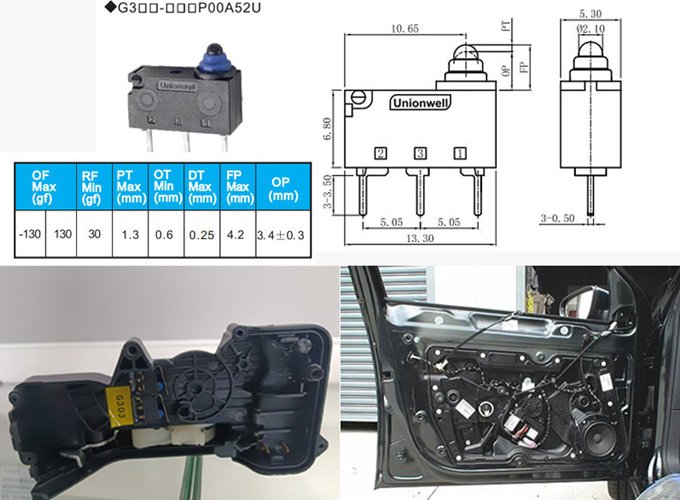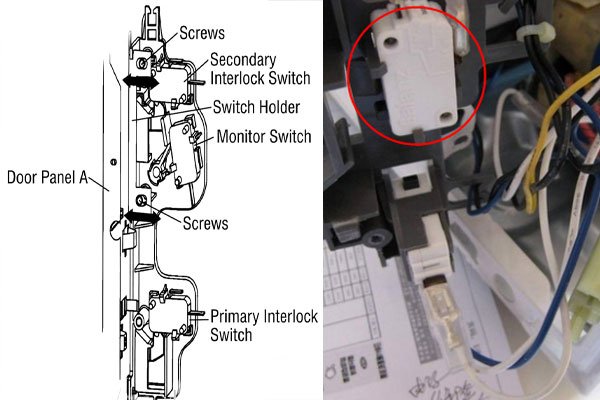
Engineering context
Translate this reference into a real application.
Discover how waterproof micro switches enhance smart home reliability, from kitchens to outdoor devices. Learn why durability and precision matter in modern living.
Use this page as an on-site starting point, not as a substitute for a controlled drawing or model-specific datasheet. Final selection depends on the actual switch position, movement, circuit, operating environment, and validation plan.
Typical operating points to review
Door and liftgate latch position
Detect open, closed, or latched states so the vehicle control system can receive a clear mechanical position signal.
Discuss this positionPower seat adjustment
Provide position or end-of-travel feedback inside compact seat adjustment mechanisms.
Discuss this positionSeat-belt reminder
Detect buckle engagement as an input to the vehicle reminder system.
Discuss this positionGear selector and cabin mechanisms
Sense a lever or moving cabin mechanism at defined positions within a constrained package.
Discuss this positionThese are application examples for project discussion. Confirm the exact configuration, ratings, approvals, and system-level suitability with Unionwell engineering.
Four checks before you shortlist a switch
- Define the signal. Identify the position or event the mechanism must detect, including normal, released, and fault states.
- Map the movement. Share actuator type, available travel, operating force, mounting envelope, terminal direction, and tolerance stack.
- Specify the conditions. State voltage, current and load type, switching frequency, temperature, moisture, dust, vibration, and expected operating life.
- Plan validation and supply. Include required approvals, sample and test expectations, annual volume, project stage, target timing, and drawing revision.
Send a drawing, mechanism photo, or incumbent part number with your RFQ when available. The team can then check the mechanical interface and electrical requirements together.